The Digital Revolution in Truck Dispatching: Modernizing Logistics
The influence of digital tools in truck dispatching is profound. With technologies now touching every aspect of fleet management, companies can harness unprecedented efficiency, agility, and reliability. From dispatcher dashboards packed with actionable insights to streamlined mobile experiences for drivers, these innovations provide end-to-end visibility and empower effective decision-making on the move.
As logistics grow in complexity, the digital transformation of the trucking industry has become essential for survival and growth. Businesses demand greater efficiency and visibility, and these needs can only be met by leveraging the powerful advancements offered by digital technologies. Today’s AI dispatch software platforms transform how dispatchers and drivers coordinate, communicate, and perform. Whether optimizing resource allocation or tracking deliveries in real time, these digital solutions are the driving force behind a new standard of operational intelligence. They underpin competitive advantage and enable companies to deliver outstanding service to their customers, reduce their operational expenses, and adapt rapidly to changes within a dynamic market environment.
Artificial Intelligence and Machine Learning
Optimizing the Entire Dispatch Process
Artificial Intelligence (AI) and Machine Learning (ML) represent a seismic shift in how trucking companies manage their dispatch operations. Unlike traditional methods that rely on manual data entry and intuition, AI and ML systems analyze diverse data sets—from historical trip data to real-time traffic patterns—to automate complex decision-making processes. These intelligent solutions offer optimized route planning, dynamically assigning loads based on location, availability, delivery deadlines, and anticipated traffic disruptions. AI-powered predictive analytics offer extraordinary accuracy in forecasting delivery windows and anticipating potential hurdles, such as weather complications or sudden vehicle issues. This means dispatchers are no longer simply reacting to problems but proactively identifying opportunities and risks ahead of time. These technologies also unlock smarter planning regarding cargo requirements, leading to lower rates of empty mileage and maximized efficiency. More significantly, companies integrating these systems have reported higher on-time delivery rates and substantial improvements in customer satisfaction.
Internet of Things (IoT) Sensors
The Internet of Things (IoT) revolutionizes trucking by providing real-time monitoring and predictive maintenance. Trucking fleets can access data that informs daily operations and long-term strategies by embedding sensors in vehicles and cargo. This data allows dispatchers to intervene before minor mechanical issues become costly breakdowns, increasing reliability and ensuring driver safety. IoT also enhances cargo management, particularly for perishable, hazardous, or highly sensitive goods, by providing live updates on location, temperature, and humidity. This transparency helps maintain regulatory compliance, reduce spoilage, and boost customer trust. As downtime is minimized and maintenance becomes more predictable, operational costs are often significantly reduced.
Cloud-Based Software Solutions
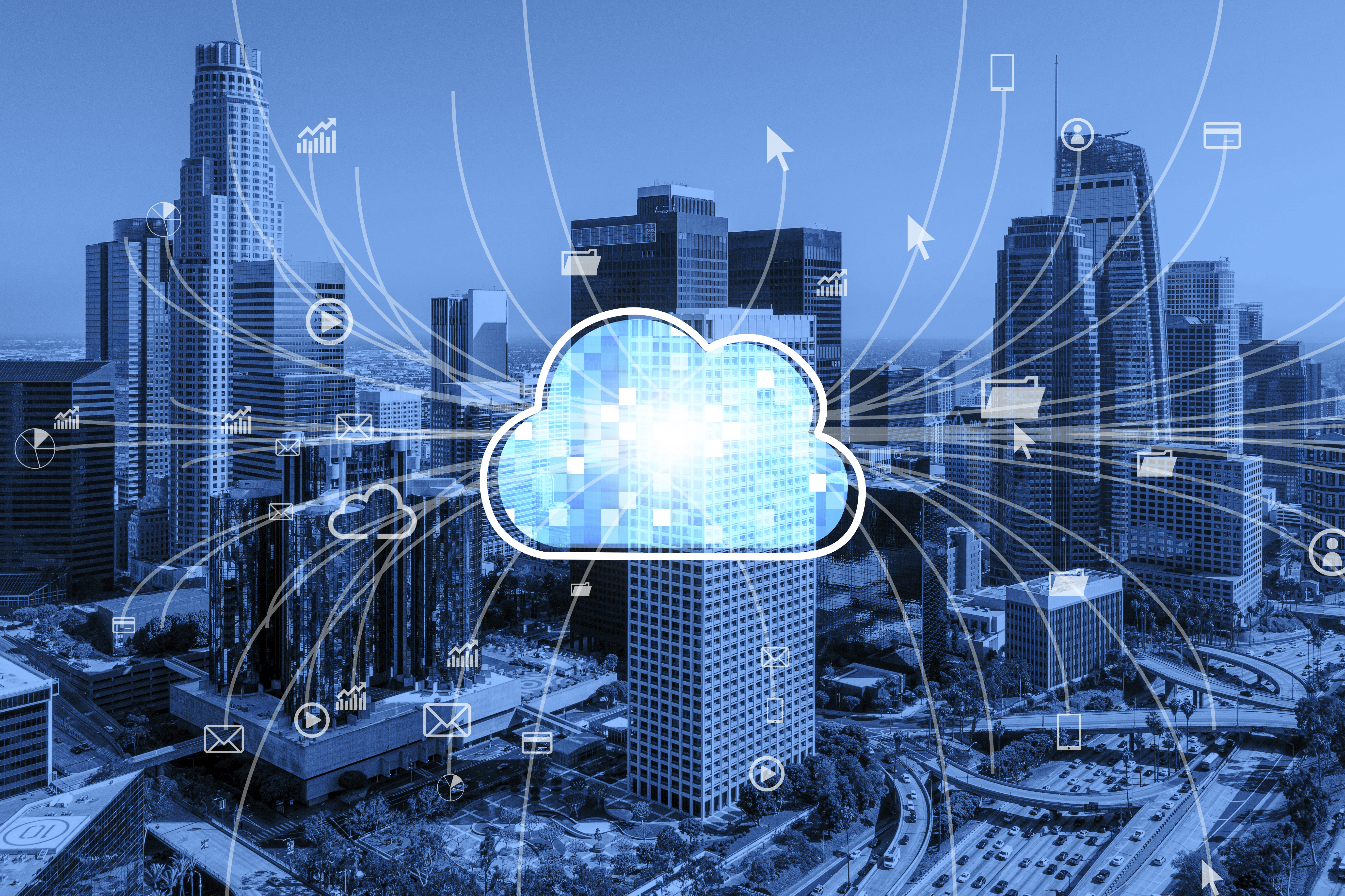
Cloud-based dispatch platforms are revolutionizing modern logistics organizations by providing flexibility and independence for dispatchers to work from any location. This is particularly beneficial during crisis or disruption, as remote management ensures business continuity. The cloud platform consolidates schedules, live route maps, compliance records, and other operational data, streamlining collaboration between dispatch, drivers, management, and customers. Cost-effectiveness is another advantage, as cloud platforms reduce the need for costly IT infrastructure and allow smaller operators to scale quickly. Built-in analytics and automated reporting tools provide instant insights into performance trends, supply chain bottlenecks, and workflow optimizations, enabling faster, strategic decisions that drive profitability and growth.
Mobile Apps and Devices
Bridging the Communication Gap
Mobile technology has fundamentally redefined the connection between dispatchers and the drivers behind the wheel. With smartphones and dedicated apps, communication is constant and seamless. Dispatchers can send real-time updates, new assignments, or routing changes directly to drivers, eliminating confusion or delays once common with phone calls and paper records. Drivers use these apps to receive up-to-the-minute directions, submit digital logs, and request on-the-go support, reducing administrative hassles and keeping everyone compliant with evolving regulations. In addition, mobile software can be tied to navigation systems and load tracking, helping drivers follow the most efficient path to their destinations, which cuts fuel costs and raises on-time delivery rates. The ability for drivers to quickly capture and send documentation—such as delivery receipts or incident reports—ensures that any issues are flagged and resolved quickly, keeping dispatchers and customers informed and aligned at every stage of the journey.
Advanced Telematics
Comprehensive Fleet Management
Telematics technology takes fleet management to greater sophistication by merging GPS location tracking, vehicle diagnostics, and driver performance analysis into one comprehensive system. With real-time GPS, dispatchers always know the exact location of any vehicle, enabling them to address route deviations, delays, or safety concerns proactively. The telematics system gathers granular driving data—including acceleration patterns, braking, speed, and hours of service—which allows for targeted driver coaching that reduces accident rates and maintains compliance with stringent regulations like Hours of Service (HOS). The data harvested from telematics is invaluable for spotting efficiency gaps, refining operational strategies, and extending vehicle lifespans through scheduled, data-driven maintenance. In essence, advanced telematics turns gut-based decisions into empirically-backed actions that enhance fleet reliability, cost control, and customer service. For a deeper dive into the latest trends, see this resource on trucking telematics.
Conclusion
The rise of digital transformation in truck dispatching marks the dawn of a more empowered, proactive, and agile logistics industry. One that can anticipate disruptions, harness real-time intelligence, and continuously improve efficiency. Integrating technologies including AI, IoT, cloud-based platforms, mobile applications, and sophisticated telematics ensures that fleets stay at the forefront of customer needs and regulatory expectations. Companies that embrace these innovations—especially industry-leading solutions like AI dispatch software—secure long-term value through reduced costs, superior service delivery, and resilient operations. As the logistics sector continues to evolve, those investing in advanced digital tools will be best positioned to thrive in the face of change, meeting both current challenges and future demands with unmatched confidence and precision.