
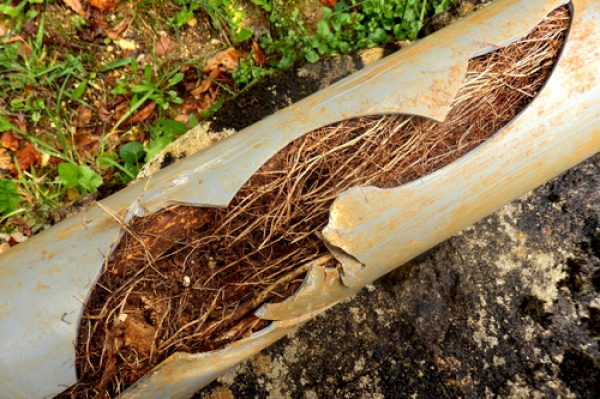
How Tree Roots Affect Your Home’s Drainage System
Read Time:2 Minute, 58 Second
Tree root intrusion is a common but often overlooked issue that can significantly impact your home’s drainage system. As trees seek out moisture, their roots naturally grow toward underground water sources—including sewer and drainage lines. Over time, these roots can infiltrate small cracks in pipes, causing blockages, slow drains, or even pipe collapse if left unaddressed.
Early detection is key to preventing extensive damage. If you notice frequent clogs, gurgling sounds, or unusually lush patches in your yard, it could be time to consult a professional. For example, a plumber Clover SC, may use specialized tools to identify and remove roots safely without damaging the pipeline. Regular inspections and preventive maintenance can help keep your system running smoothly. Taking action early can also reduce the risk of costly emergency repairs later.
Signs of Tree Root Damage in Drainage Systems
Recognizing symptoms of a root-compromised drainage system helps avoid major plumbing emergencies. Root intrusion often starts small and unseen but leads to obvious problems like slow-draining fixtures, frequent clogs, gurgling pipes, soggy yard patches, and foul odors. These signs often worsen quickly, so prompt investigation by professional plumbers using tools like CCTV cameras is crucial. Early action prevents pipe collapse, sewer backups, and foundation damage, reducing inconvenience and repair costs.
Preventive Measures to Protect Your Pipes
Preventing tree root damage is far more affordable and less disruptive than repairing an extensively damaged drainage or sewer system. Wise homeowners take a proactive approach, implementing strategies to limit root access to pipes and minimize the risk of costly leaks or blockages. Consider the following best practices:
- Regular Inspections: Schedule annual or bi-annual pipe inspections with advanced drain cameras to detect small cracks or root intrusions early and prevent severe blockages.
- Install Root Barriers: Use heavy-duty metal or reinforced plastic barriers to divert roots from sewer lines and piping during landscaping or construction.
- Choose Planting Sites Wisely: Assess the final size of trees and keep them far from underground utility lines. When possible, select slow-growing, less aggressive root species.
- Upgrade Older Pipes: Replace vulnerable clay or cast iron pipes with durable materials like PVC or HDPE, which resist cracking and create tight seals at joints.
Incorporating these strategies into your yard maintenance routine can spare you from future headaches. Enrolling in a plumbing maintenance program is also an excellent way to ensure regular professional oversight, giving you added peace of mind that small problems will be caught and resolved before extensive damage can occur.
Preventive measures protect your home and help preserve the mature trees that add value to your property, creating a win-win scenario for homeowners and the environment.
Professional Solutions for Tree Root Intrusion
When tree roots invade pipes, DIY solutions are often ineffective or temporary. Professional plumbers use tools like mechanical augers or “rooter” machines to cut roots and high-pressure water jetting to clear debris. Chemical treatments can temporarily inhibit root growth. Severe pipe damage requires repair or replacement, often using trenchless methods like pipe lining or pipe bursting to reduce landscape disruption. Addressing root issues early can prevent major blockages or leaks, saving property value and costs with quick, expert intervention.
Why Routine Maintenance Matters
Consistent, proactive maintenance extends your drainage network’s lifespan, saving repair costs and protecting your home’s foundation and landscaping. Regular inspections by trusted plumbers help prevent costly emergency repairs and guard against root invasion. Routine checks also prevent other plumbing issues like leaks, sewer gas, and low water pressure, ensuring a healthy and efficient system over time.

Happy
0 %

Sad
0 %

Excited
0 %

Sleepy
0 %

Angry
0 %

Surprise
0 %
 0
0
 0
0


Average Rating