
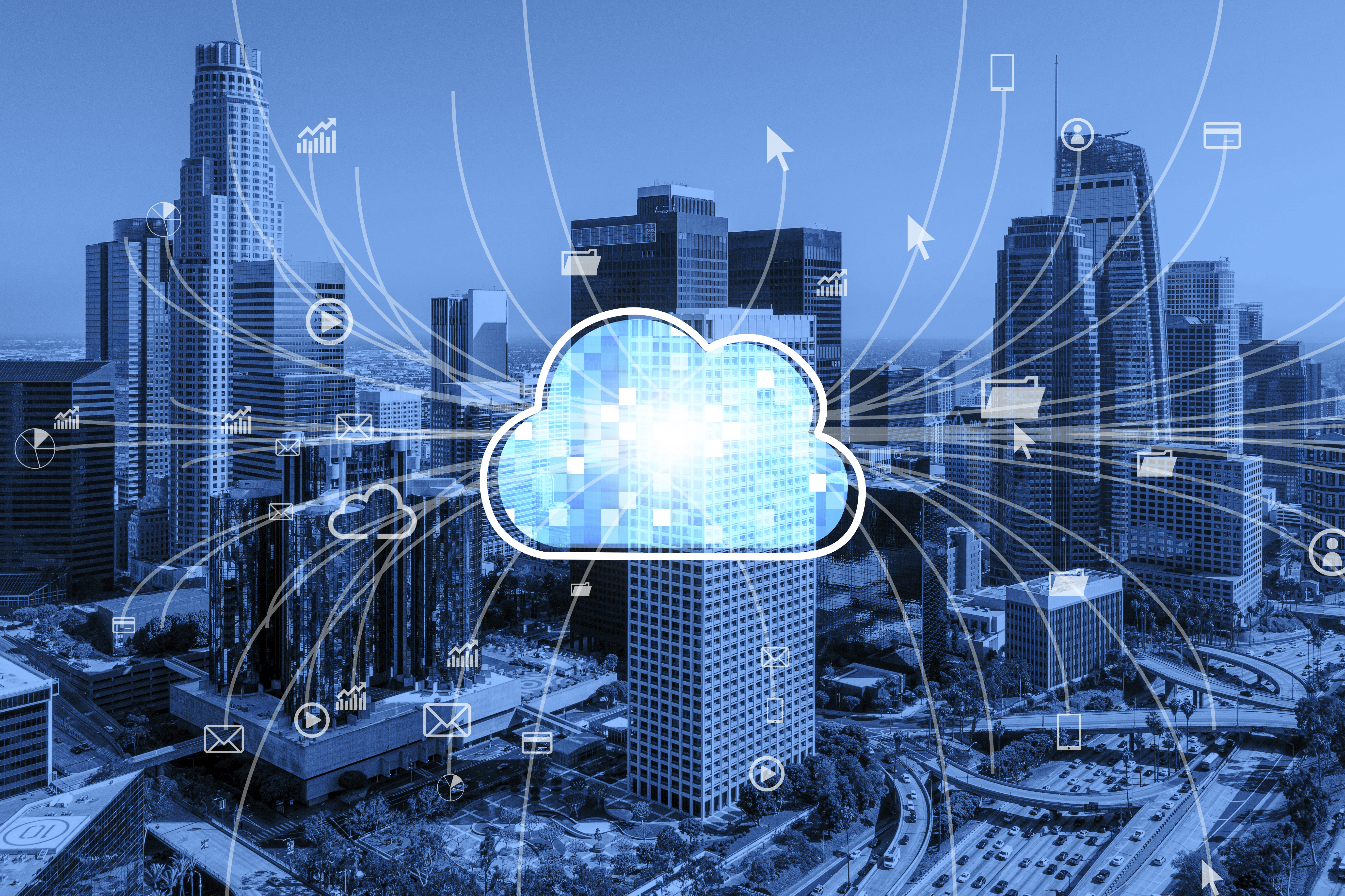
How SASE Connects Remote Teams and Safeguards Cloud Workspaces
Read Time:4 Minute, 53 Second
In today’s distributed work environments, organizations need a way to securely connect remote teams while maintaining consistent access to cloud-based tools. Secure Access Service Edge, or SASE, is a framework that combines networking and security functions into a single cloud-native service. By routing traffic through unified security protocols, SASE ensures remote employees can access data and applications anywhere without compromising safety or performance.
SASE solutions offer a scalable, flexible approach to replacing traditional hardware-bound infrastructure. They incorporate features like zero-trust access, threat prevention, and data protection across multiple endpoints. This integrated model reduces complexity and improves visibility, helping IT teams manage users and devices more effectively. As remote work and cloud adoption grow, SASE helps maintain productivity while safeguarding the digital workspace from evolving cyber threats.
Key Components of SASE
SASE’s strength lies in its multi-faceted approach, weaving together several advanced technologies to create a robust, integrated networking and security environment. The major building blocks include:
- Software-Defined Wide Area Network (SD-WAN): SD-WAN optimizes the flow of network traffic by intelligently routing data across various internet connections, including broadband, MPLS, and LTE. This not only improves application performance and reduces latency for remote users, but also lowers connectivity costs by enabling a more flexible mix of transport methods and reducing reliance on expensive, legacy circuits.
- Zero Trust Network Access (ZTNA): ZTNA enforces the philosophy of “never trust, always verify” by demanding robust identity and device posture verification for all users—even those inside the network perimeter. It replaces implicit trust with stringent access controls, providing every user with precisely the level of access required for their role, and continuously evaluating trustworthiness as the session progresses.
- Cloud Access Security Broker (CASB): CASB acts as a policy enforcement point between users and cloud applications, delivering deep visibility into usage patterns and offering granular control over sensitive data. This helps IT teams ensure regulatory compliance, mitigate shadow IT risks, and prevent accidental or intentional leaks of confidential information from SaaS environments.
- Secure Web Gateway (SWG): SWG filters and inspects all web traffic to prevent users from inadvertently accessing malicious websites or downloading harmful content. These gateways block phishing attempts, enforce acceptable use policies, and serve as the first line of defense against common internet-borne threats, regardless of user location.
- Firewall as a Service (FWaaS): FWaaS replaces traditional hardware firewalls with agile, cloud-delivered firewall capabilities. This centralizes the enforcement of network security policies across all users and devices, supports rapid scaling, and enables consistent protection, even as the organization grows or changes.
Enhancing Remote Work with SASE
With remote work on the rise, companies can no longer rely on legacy VPNs and perimeter defenses to protect sensitive corporate data. The SASE approach directly addresses visibility, connectivity, and security challenges brought about by a dispersed workforce by offering:
- Secure, Granular Access: SASE ensures that every remote access request is subject to strong authentication and authorization mechanisms. Through ZTNA, organizations can create customized policies for each user and device, minimizing the risk of unauthorized access and limiting the scope of potential breaches.
- Optimized Performance for Dispersed Teams: SD-WAN empowers teams in diverse geographical locations by dynamically choosing the fastest, lowest-latency path for network traffic. This intelligent routing delivers a high-quality digital experience for employees using SaaS apps, video conferencing, and collaboration tools, helping maintain productivity and morale.
- Uniform Policy Enforcement: SASE’s centralized management ensures security and compliance rules are applied consistently, whether the connection originates from headquarters, a branch office, or a remote employee’s home. This capability simplifies compliance reporting, reduces human error, and bolsters overall security posture.
Safeguarding Cloud Workspaces
Organizations are exposed to new attack vectors and potential data loss as corporate data flows increasingly into cloud ecosystems. SASE solutions are designed to shield cloud workspaces through the following features proactively:
- Continuous Cloud Application Monitoring: Using CASB, companies gain real-time insight into which cloud apps are in use, how data is being transferred, and where abnormal behaviors may suggest policy violations or security vulnerabilities. This monitoring helps prevent unsanctioned app usage and enables prompt response to potential threats.
- Data Loss Prevention (DLP): Integrated DLP identifies sensitive data and applies pre-configured rules to block or restrict its transmission. This reduces the risk of confidential customer or business data being exposed, whether by mistake or due to malicious activities.
- Comprehensive Protection against Web Threats: SWG capabilities act as a real-time shield, filtering out malware, ransomware, and dangerous websites before they can endanger enterprise cloud resources or user devices.
Benefits of Adopting SASE
- Stronger Security Posture: With networking and security seamlessly integrated, security teams can spot, respond to, and mitigate threats faster and more effectively than when using siloed tools.
- Superior User Experience: Employees access company resources directly without enduring the slowdowns and bottlenecks associated with backhauling traffic through outdated VPNs or centralized data centers, resulting in greater productivity and satisfaction.
- Greater Operational Efficiency: By reducing redundant software and centralizing policy controls, SASE lightens the load for IT personnel and lowers ongoing operational expenditures. This makes scaling up—whether to onboard new staff or expand into new regions—much less of an administrative headache.
- Future-Proof Scalability: SASE’s cloud-native design allows organizations to adjust capacity and deploy new security functions in response to business needs or changing threat landscapes, ensuring readiness as technologies and work trends evolve.
Conclusion
As the workforce becomes increasingly distributed and reliance on cloud resources accelerates, SASE stands out as a vital foundation for secure, scalable digital transformation. By merging powerful networking capabilities with advanced, cloud-based security, SASE equips organizations to future-proof their operations, manage risks, and support remote teams without sacrificing performance or protection. Investing in SASE today is an investment in a safer, more agile digital workplace—empowering employees to work confidently from anywhere, anytime.

Happy
0 %

Sad
0 %

Excited
0 %

Sleepy
0 %

Angry
0 %

Surprise
0 %
 0
0
 0
0


Average Rating