
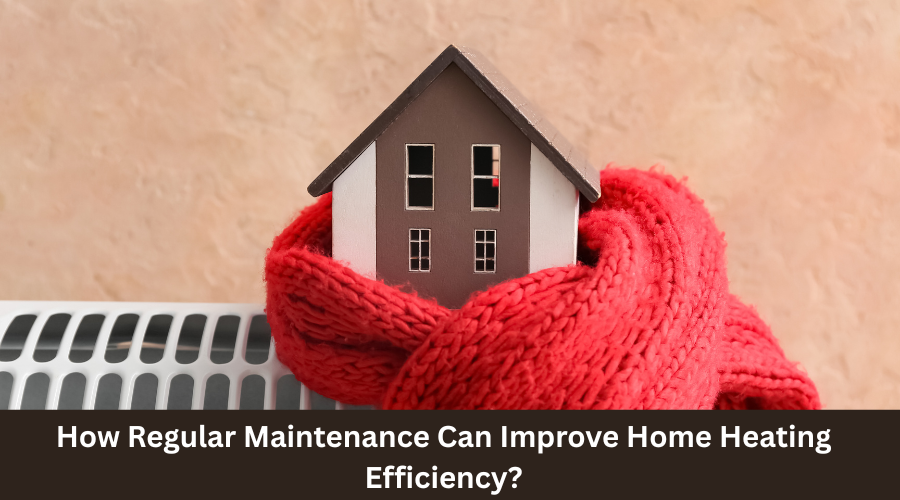
How Regular Maintenance Can Improve Home Heating Efficiency?
Read Time:4 Minute, 3 Second
Key Takeaways
- Routine heating maintenance increases efficiency by up to 15%.
- Proactive issue detection prevents unexpected and costly repairs.
- Optimal airflow and clean components reduce energy waste.
- Sealing and insulation keep heated air where it belongs.
- System upgrades and smart controls yield substantial savings.
Efficient home heating is vital for both maintaining comfort and reducing unnecessary energy costs. Many homeowners overlook the impact that routine checkups and minor adjustments can have on performance. A well-maintained heating system not only lowers your energy bills but also helps prevent unexpected breakdowns when you need warmth the most. If you’re considering ways to enhance your home’s heating, professional heating services in your area can ensure your system is performing at its best.
Through regular inspection, cleaning, and timely repairs, your home’s heating efficiency can see significant year-over-year improvements. Even seemingly minor maintenance practices can add up to substantial savings, while also extending the lifespan of your system and reducing your environmental footprint.
Long-term heating efficiency involves more than just the system itself; ductwork, air sealing, and even the controls you use play a major part.
Boosting Efficiency Through Routine Maintenance
Simple maintenance checks, such as replacing clogged filters and vacuuming vents, are surprisingly effective at boosting system efficiency. One highly recommended task is bleeding radiators, which removes trapped air and helps your system circulate heat more evenly and efficiently. According to the U.S. Department of Energy, changing filters every three months can reduce your heating costs by up to 15%. These small, consistent actions keep your system running smoothly and ensure heated air circulates properly throughout your home.
The Cost-Saving Impact of Regular Upkeep
Over time, the cost of yearly tune-ups and inspections pays for itself. Not only will your system consume less energy, but you’ll also save money on unforeseen parts replacement and emergency repairs. These regular modifications are particularly important for older systems to preserve dependability during periods of high demand. Every cold season, efficiency and peace of mind can be increased through thorough evaluations by a reputable AC company with heating expertise.
Early Detection Prevents Costly Repairs
By scheduling regular professional inspections, minor issues like worn bearings, loose electrical connections, or blocked vents can be identified early. What would have been a minor fix could escalate into a costly emergency if left unchecked. This proactive approach is particularly beneficial for families seeking uninterrupted comfort all winter long. Moreover, early repairs mean your system isn’t working harder than necessary—a main cause of both higher bills and premature system failure.
Ensuring Proper Airflow and Clean Components
Dirty or obstructed components force your heating system to work overtime, consuming more energy and wearing down critical parts. Clear vents, clean coils, and regularly changed filters ensure proper airflow. When airflow is unrestricted, the system cycles on and off less often, using only the energy it truly needs. This not only reduces your carbon footprint but also puts less strain on your household budget. The Environmental Protection Agency notes that indoor air quality and efficiency both suffer when systems are neglected.
Sealing Air Leaks and Insulating Ducts
Many homes lose 20–30% of heated air through poorly sealed ducts and leaks in the building envelope. By having a professional inspect, seal, and insulate ducts, you ensure that warm air reaches your living spaces efficiently. Investing in weatherstripping for doors and windows keeps heat inside and blocks cold drafts, further maximizing your home’s energy efficiency.
Upgrading to Energy-Efficient Systems
If your system is over 15 years old, it might be time to consider an upgrade. Modern high-efficiency furnaces and heat pumps offer significant savings compared to older models. While the upfront cost can be a concern, federal incentives and local rebates often make the investment much more affordable. Over time, you’ll benefit from lower monthly bills and fewer service calls.
Implementing Smart Thermostat Controls
Smart thermostats are revolutionizing home comfort and savings. By learning your habits and preferences, they automatically optimize your heating schedule for efficiency, even lowering the heat when you’re out or asleep. These devices can be managed via smartphone or voice command, giving homeowners precise control over their comfort and energy use at all times.
Scheduling Professional Inspections
Even the best DIY routine can’t replace an annual inspection from a certified technician. During a professional service, experts will test safety controls, check gas and electrical connections, and measure system efficiency. They’ll fine-tune your heating system for peak performance and safety, ensuring your family’s comfort throughout the season.
Conclusion
Making regular maintenance a priority not only boosts your home’s heating efficiency but also preserves the system’s longevity and keeps energy costs in check. By combining routine tune-ups, strategic upgrades, and smart technology, you can enjoy reliable warmth and year-round energy savings—keeping your home comfortable for years to come.

Happy
0 %

Sad
0 %

Excited
0 %

Sleepy
0 %

Angry
0 %

Surprise
0 %
 0
0
 0
0


Average Rating