
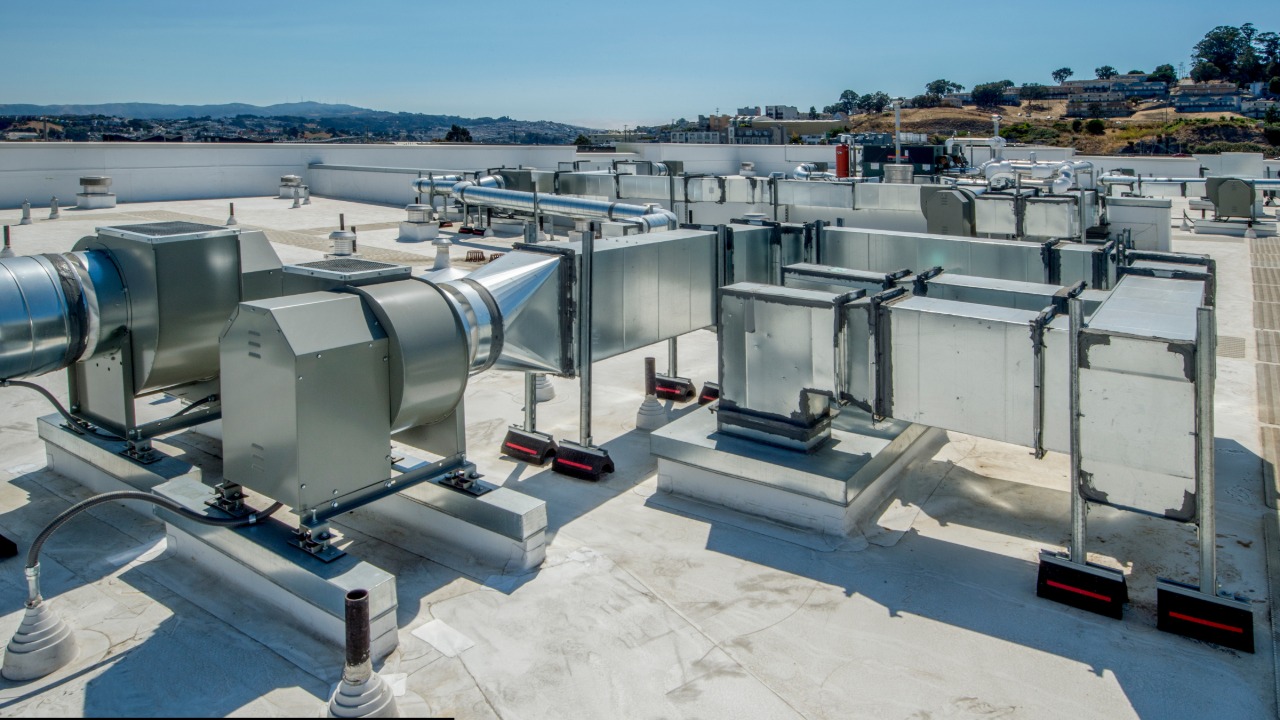
Why Flexibility Matters When Installing HVAC Systems
Every residential or commercial environment poses unique challenges for heating and cooling. With contemporary demands for high energy efficiency and interior comfort, finding adaptable HVAC solutions is more important than ever. Whether dealing with older architecture, spaces with low ceilings, or areas where ductwork isn’t practical, flexible systems reduce upfront construction and long-term operational disruptions.
Fortunately, products such as universal heat pump systems for flexible installations provide the versatility to address these complexities. Their ability to adapt to different layouts and requirements makes them ideal for retrofits, remodels, or unconventional building structures, ensuring both performance and ease of installation.
Common Challenges in HVAC Installation
Installing traditional HVAC systems can encounter obstacles like cramped mechanical rooms, odd floor plans, or multi-level spaces. Many newer homes and buildings utilize open-concept designs or have additions not originally set up for modern HVAC equipment. These conditions make standard ductwork difficult to route, leading to significant, costly renovations without flexible technology.
Older properties, in particular, may feature small crawl spaces, thick walls, or materials that are hard to modify. Additionally, considerations such as maintaining architectural aesthetics, reducing noise, and preserving the integrity of historic features come into play—further complicating installation.
Types of Flexible HVAC Systems
Various modern HVAC technologies offer adaptability to suit the specific challenges presented by unique spaces:
- Ductless Mini-Split Systems: These systems are perfect for room additions, converted attics, or any space lacking existing ductwork. They offer localized control and reduce installation complexity while maintaining impressive energy efficiency.
- Variable Refrigerant Flow (VRF) Systems: VRF systems deliver highly efficient zoned heating and cooling, making them suitable for buildings with diverse climate control demands. They are known for minimizing ductwork and optimizing energy usage based on precise requirements.
- Compact Duct Systems: When minimal ceiling or wall space is available, compact duct systems streamline routing, integrating into places standard ducts can’t fit and keeping retrofit work at a minimum.
By leveraging these technologies, property owners can match systems to their buildings’ unique demands, often preserving or even enhancing architectural character while improving comfort.
Assessing Your Space: What Should Be Considered?
Before selecting an HVAC solution, a thorough space assessment is essential. Accurate measurement and a professional load calculation will determine each room or area’s specific heating and cooling requirements. Important variables to evaluate include the size of each living space, insulation levels, window placement, ceiling height, occupancy patterns, and sunlight exposure throughout the day.
Insufficiently sized systems can result in uncomfortable temperature swings, excessive energy use, or uneven distribution. By ensuring an HVAC setup is expertly matched to the property’s needs, owners help secure comfort, energy savings, and system longevity.
Installation Tips for Unconventional Spaces
- Seek systems with flexible mounting options—wall, ceiling, or floor units can adapt to spatial constraints.
- Use flexible ducting or ductless alternatives where standard ductwork is impractical or disruptive to the building envelope.
- Install split systems for outbuildings, garages, sunrooms, or finished basements where extending main ducts may not be feasible.
- Ensure technicians design for service access, simplifying routine maintenance and helping lower operating costs over time.
Collaborating with an experienced HVAC professional is often the most effective way to navigate these decisions and guarantee a solution tailored to your environment.
Energy Efficiency and Cost Savings
Choosing a flexible HVAC approach isn’t just about overcoming installation barriers—it’s a smart investment in efficiency. The American Society of Heating, Refrigerating, and Air-Conditioning Engineers (ASHRAE) highlights that proper sizing and installation boost energy savings and system reliability. Custom-fitted systems minimize waste, better maintain desired indoor temperatures, and put less strain on heating and cooling equipment. This optimization leads to lower utility bills and can reduce your property’s overall carbon footprint, helping to support sustainability goals.
According to the U.S. Department of Energy, an efficient, well-installed HVAC system can yield significant long-term financial returns while improving occupant comfort.
Smart Controls and Zoning Options
Today’s flexible HVAC systems can be paired with smart controls such as programmable thermostats, app-based adjustments, and advanced zoning technology. These innovations let owners control temperatures in specific areas, preventing overcooling or overheating unoccupied rooms. With each zone working independently, households or commercial spaces can personalize comfort while targeting savings, making the entire system more adaptive to real-life use and changing schedules.
Newer zoning approaches are helping facilities of all sizes cut unnecessary runtime, enhance air quality, and prolong equipment lifespan—ensuring peace of mind and lower ownership costs.
What to Look for in a Professional Installer
When upgrading or installing a flexible HVAC solution, partner with professionals familiar with these options and experienced in complex or unconventional environments. The best contractors are licensed, knowledgeable about local building codes, and have a proven track record handling adaptive technologies. Checking customer reviews and seeking word-of-mouth recommendations from trusted sources can help identify qualified teams who will deliver a dependable, high-performance installation the first time.
Look for installers who stay current with emerging HVAC technologies and are transparent about the process, timelines, and costs involved.
A Future-Ready Approach to HVAC Installation
As buildings evolve—whether due to remodeling, expansion, or new construction—HVAC systems designed for flexibility are easier to adapt and upgrade without major disruptions. Solutions like universal heat pump systems are engineered for evolving needs and quickly incorporate technological advances for improved efficiency and ease of use. The adaptability of these modern systems lets you stay comfortable, lower energy use, and protect your investment, no matter how your space changes over time.
By planning with flexible HVAC solutions, property owners and managers gain peace of mind knowing their investment supports both present and future comfort and performance.